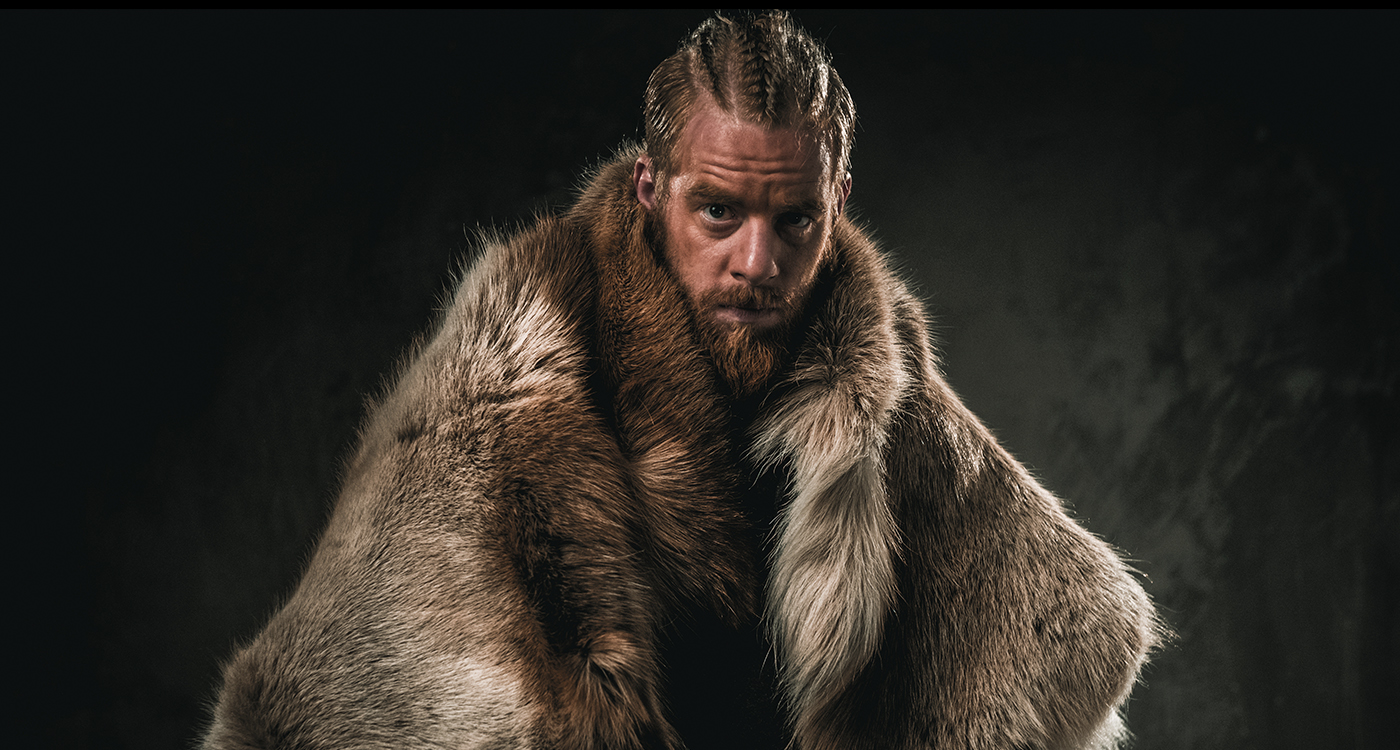
Muslim Vikings with combed hair a way with the women: The more we learn about the Viking era, the more we move away from the image of the “Aryan, bloodthirsty people”.
I found the stone smoke one afternoon in October. When I stood between a dozen mossy piles in a forest I long wanted to explore, it struck me what the smoke could be. And after some hours of research it was clear: these piles became the last resting place of the world – there were burial mounds I had found. Throughout the centuries, thick, green moss covered the rocks and tree roots so well that you can only cite the outline of them. Nature has taken these once more proud Vikings back. The story rests here.
Myths
Who were the Vikings? The discussion is still ongoing and it turns out that we have been able to believe what we have been told about them. One of the most viscous myths is that they were barbaric in bloodthirsty pursuit of Scandinavian supremacy. And of course – tell an American that the Vikings did not have helmets with horns and you’ll probably hear “OMG! Really? That’s so disappointing, they look so cool! ». But these stylish helmets with horns are a myth that originated in the 19th century. Most Vikings probably only had simple metal or leather helmets when they were “in viking” (read: battle), and only one helmet has been found. The historians can safely say that belonged to a real Viking. The helmet – which has no horns – is found in Gjermundbu Farm in 1943, and is today exhibited at the Cultural History Museum in Oslo. Today, however, horn horns are one of the most important symbols of the Viking era.
Hidden in the Embroidery
After Norway became Christian, the Viking Age was among other things forgotten because paganism was not permitted in Christianity, and in the forgetfulness the traces of an entire age disappeared. In modern times, researchers are still finding new things that testify to a multifaceted culture – characters that do not fit into the picture many have of whom the Vikings were.
A short time ago, it was known that the textiles chemist Annika Larsson at the University of Uppsala has found Arabic characters in a embroidered table from a Viking grave. Reading with a reflection, a special word was clear to the historian: “Allah.” And thus a relatively banal debate was under way. We all know that the Vikings traveled to remote lands, where they robbed, trafficked, settled and even ruled. Nevertheless, in our modern age, the assertion that the Vikings were willingly buried with Islamic objects proved to be a major potential for conflict. Did there really be Muslim vikings? Were not all Vikings ‘Aries’ who had ancestors from Scandinavia for at least 12 generations? It does not help that you have found objects with Arab inscriptions in other tombs. Comment fields cook – both in social and more serious media.
Women’s wards
In the Viking age, as today, it was the status of having friends from abroad. Via contacts beyond one’s own little village, city or country, one could show that one had seen the world. If not in your own person, at least through one’s friends. The Vikings took pride in treating their guests well, and by far from all foreign people in the settlements of the Vikings, it was by virtue of their trelldom. A popular theory today is that bitter monks wrote down their meetings with the Vikings as horror experiences because the manners, clothes style and cleanliness of the Vikings had a strong appeal among the women. Why should women stay in communities where the men did not smell well, had good manners or did their best to impress the ladies? The romantic appeal is not necessarily so different from our time, even after 1000 years. There are more chambers than swords from the Viking era, and in a saga depiction, it is portrayed that a Viking king was wearing a jacket with gold threads sewn into the fabric: a most unsuitable garment if he were in combat.

Stamp. Photo: Wikipedia
Dannelsreise or tour?
An accomplished viking with great knowledge of other societies and cultures could easily impress with big companies and exciting stories. The Vikings “formation trips” were about seeing the world and learning it. The wisest were those who had seen things with their own eyes and did not get it told by anyone else. Both Nazis and Nine Nazis have nevertheless taken the alleged “bloodthirsty” of the Vikings to income for their own struggle: “The victory of the Aryan race” in Europe and the rest of the world. Paradox – that vikings primarily lived out of trade, not violent robbery – are repeatedly tried to be returned by the most dedicated Nazis. The struggle for what our “collective memory” about the Vikings should never seem to ever stale. What can we accept that the Vikings were and how do we want to think about them? How does our national feeling characterize getting to know new things about the Vikings? The Vikings lived at a time when “human beings” were not yet the basis of any genocide, skin color did not describe anything but appearance and most likely no ranking of cultures existed. The millennium that has followed their time has nevertheless made it difficult for many of us to really “see” them.
Iranian Vikings
The Vikings lived closely with the outside world – the voyages brought them both to the cultures and cultures home to them. However, they still attempted to influence the cultures of the countries they came to, even though there was an exchange of goods, culture and people – both as a result of robbery and trade. Historians and archaeologists have, among other things, found no evidence that the settlements of the Vikings in “Vinland” (today America) significantly affected the indigenous peoples’ livelihoods.
Even in a modern perspective, there have probably been Vikings that were more prepared than many Norwegians are today. Archaeologists have found Viking graves where the remains suggest that the people originated from Iran, yet Iranian Vikings are rarely seen in television shows and movies. An Indian woman who went to Iceland with the Vikings more than 1,000 years ago – and currently tribes for 5 percent of Iceland’s population – has only become a curiosity in the history books. The same has happened to an Indian woman buried in Denmark. And yet we know far from what the Vikings were or how their pedigrees looked. The idea of the full-blood Nordic Viking culminates under the weight of ever-new historical evidence, but there is still no trace of the multicultural Viking era in popular culture.
An early morning in October 2017, people from Helheim – the goddess of Hels, are dead, soundless – along the banks of the Oslo fjord. It seems that they know where they are going, your misty shadows have hit here many times before. Between and above the trees along the coast, the mist climbs to the target and does not stop until it reaches the wooded mountain side where the rocky rocks – the grave heights – await. Perhaps the foolish people come with reports of distant lands and unknown peoples. When the morning sun finally embraces the old trees, Hels’s people will travel on. Their shadows roll over rocky roses and tree roots, while deafening silence fills the forest. Here the story rests.
 Chamber of Stories and Myths